
RMOZ / company
Services that connect the whole project.
From data governance to integration and operating design: prepare a focused pilot with clear responsibilities and measurable acceptance.
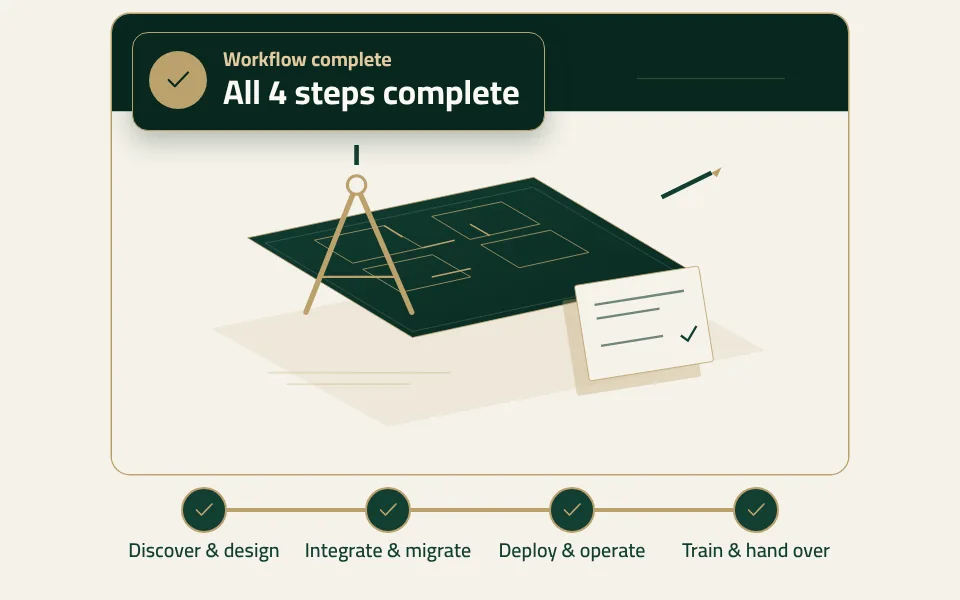
- Discover & design
- Integrate & migrate
- Deploy & operate
- Train & hand over
How we deliver
Four phases, one accountable team.
- Step 01
Discover & design
Map the process, records and people involved.
- Use case
- Data boundaries
- Success criteria
- Step 02
Integrate & migrate
Connect the systems you already rely on.
- APIs and events
- Permissions
- Migration checks
- Step 03
Deploy & operate
Run securely with agreed service levels.
- Hosting and keys
- Monitoring
- Backup and recovery
- Step 04
Train & hand over
Prepare every role to run it confidently.
- Role guides
- Walkthroughs
- Escalation paths
Discovery & architecture
Map the decision, evidence owners and affected people. Define data classification, retention and correction duties. Evaluate Web3 and AI against a simpler alternative, with digital ethics and human review built into the acceptance criteria.
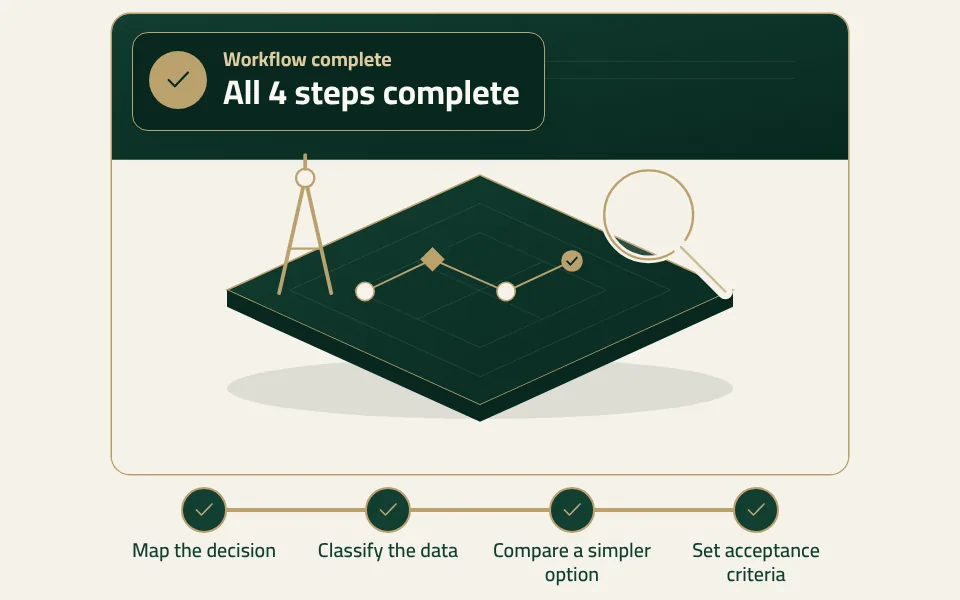
- Map the decision
- Classify the data
- Compare a simpler option
- Set acceptance criteria
Integration & migration
Map source identifiers, permitted fields and system owners. Plan scoped APIs, event reconciliation, migration checks and rollback. Private source evidence stays separate from approved public verification details.
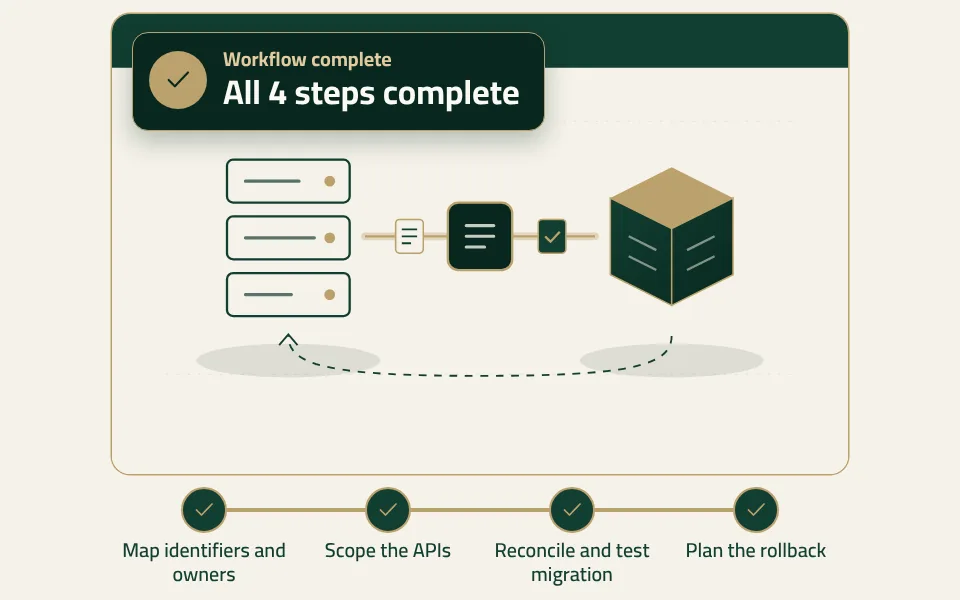
- Map identifiers and owners
- Scope the APIs
- Reconcile and test migration
- Plan the rollback
Deployment & operations
Evaluate Blockchain as a Service (BaaS) with explicit hosting, key-custody, monitoring, recovery and supplier-exit responsibilities. Managed operations and service levels are proposed scope, not provisioned availability.
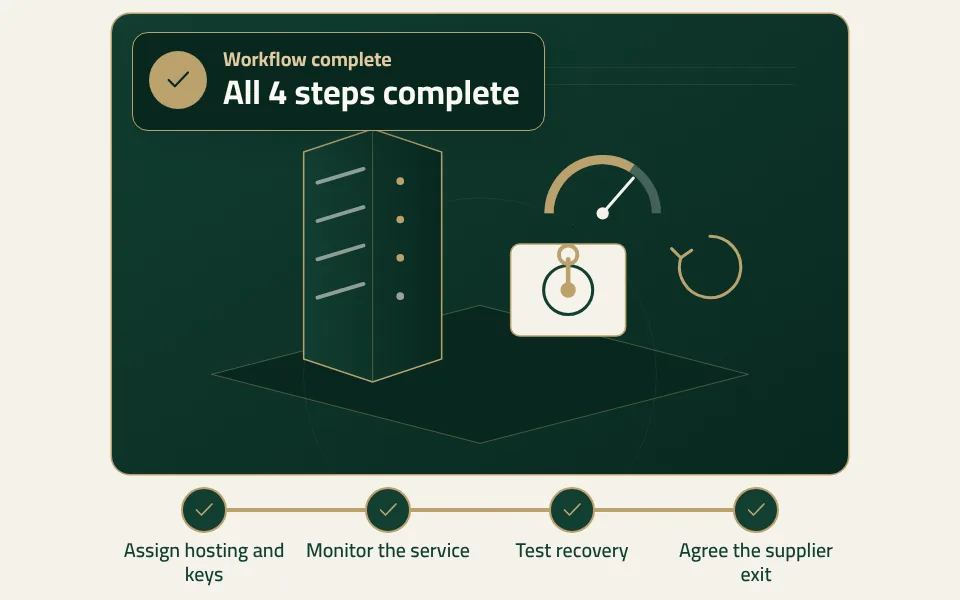
- Assign hosting and keys
- Monitor the service
- Test recovery
- Agree the supplier exit
Training & handover
Prepare issuers, reviewers and administrators to recognise missing evidence, challenge an AI suggestion and escalate a disputed record. Agree role-based guidance, tested recovery and the owner of each unresolved gate.
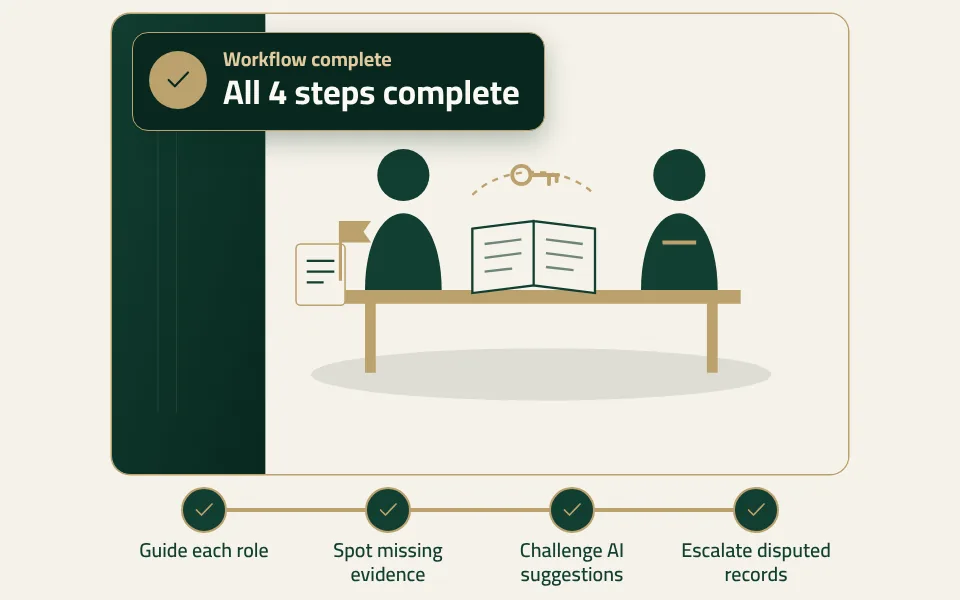
- Guide each role
- Spot missing evidence
- Challenge AI suggestions
- Escalate disputed records
Continue the journey
FAQ
Questions, answered
Where does a project start?
With one business problem and a clear owner. Scope, dependencies, availability and delivery commitments are agreed before implementation.
Can we use our existing systems?
Yes. Discovery starts with the systems and data you already use, then identifies the integrations the project needs.
YOUR NEXT STEP
Build your next step
on trust.
Find the right starting point for your assets, records and business.
Find your use case